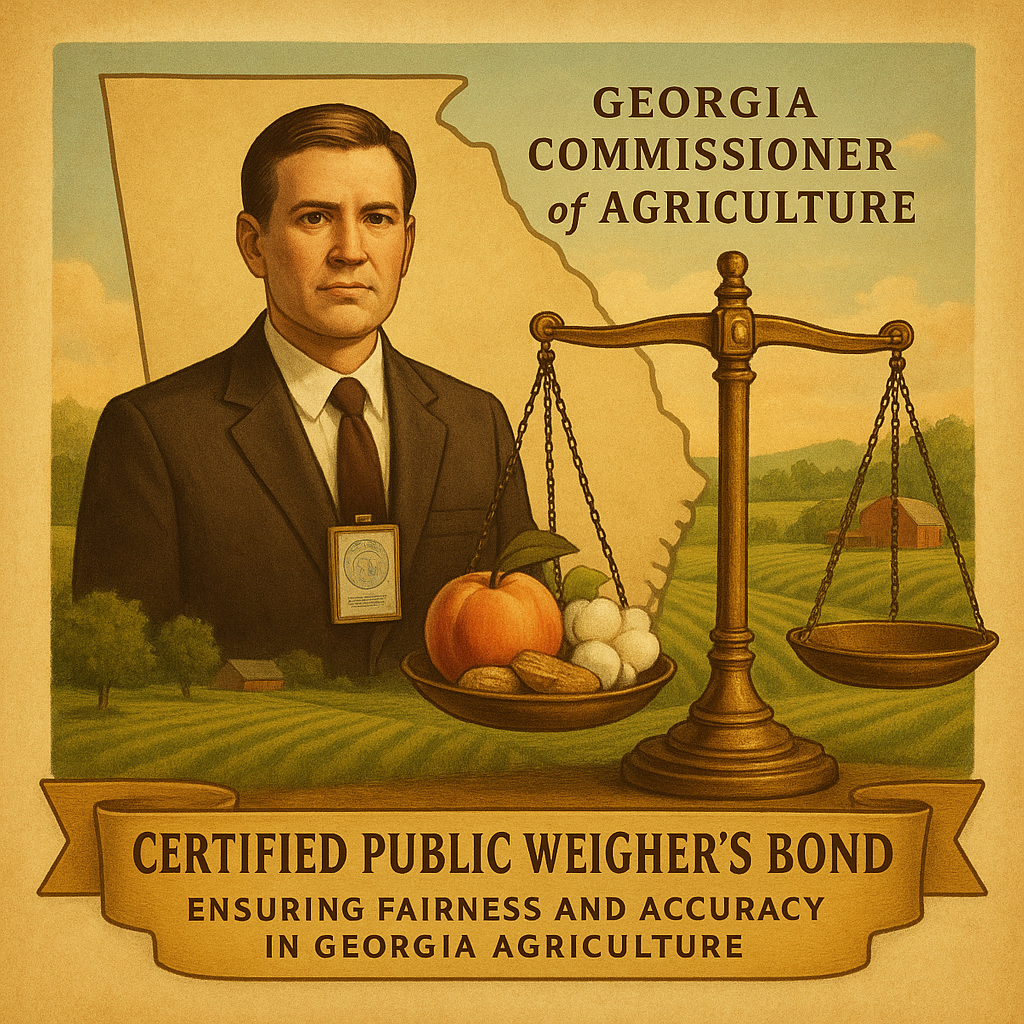
If you’ve ever wondered who makes sure that the truckload of grain you just sold actually weighs what the scale says, you’re not alone. Behind every fair transaction involving weight in Georgia, there’s a system of trust—and often, a piece of paper called a Certified Public Weigher’s Bond. The Georgia Commissioner of Agriculture requires this bond, and if you’re stepping into the world of weighing goods professionally, understanding it is step one. Think of this guide as a friendly chat over coffee, breaking down everything you need to know without the legal jargon headache.
What Exactly Is a Certified Public Weigher?
Let’s start with the person behind the title. A Certified Public Weigher (sometimes called a weighmaster) is someone authorized to determine and certify the weight of a product. This isn’t just stepping on a bathroom scale; these professionals often work with massive loads—think trucks full of lumber, cotton, or scrap metal. Their stamp of approval confirms that the weight recorded is accurate and can be used as the basis for a financial transaction. In Georgia, that certification comes with a responsibility to be fair and precise, and the state backs that up with a mandatory bond.
The Georgia Commissioner of Agriculture’s Role in Your Bond
You might be thinking, “Why does the Commissioner of Agriculture care about a bond?” It’s a great question. The Georgia Department of Agriculture oversees a huge range of activities that affect consumers and businesses, from food safety to fuel quality. The Certified Public Weigher program falls under their watch because honest measurements are a cornerstone of commerce. If a load of peanuts is weighed incorrectly, a farmer could lose thousands of dollars. The Commissioner’s office sets the rules, and the bond is their tool to protect the public. So, when we talk about the GA Commissioner of Agriculture Certified Public Weigher’s Bond, we’re talking about a state-level safeguard.
So, What Is a Surety Bond, and Why Does It Sound So Intimidating?
A surety bond isn’t insurance for you—it’s a three-party promise designed to protect your clients and the state. Picture it like this: You (the weigher) are the principal. The Georgia Commissioner of Agriculture is the obligee, the one requiring the promise. The surety company is the third party, the one backing your promise with money if things go wrong. If you make a mistake or act dishonestly and someone loses money because of an incorrect weight, they can file a claim against your bond. The surety pays up to the bond amount, but then they’ll come to you for reimbursement. It’s a financial “trust me” that has real teeth.
Why Not Just Use Insurance?
This is where it gets a little different. Insurance protects you if something bad happens to your equipment or if you’re sued for a mishap. A bond, on the other hand, protects the public. It’s a guarantee that you’ll follow the law and the regulations set by the Georgia Department of Agriculture. If you skip town after issuing a false weight certificate, the bond steps in to make things right for the injured party. That’s why the state cares so much—it’s the shield for everyday Georgians.
Why Is the Certified Public Weigher’s Bond Required?
Honesty in weight documentation isn’t just a nice-to-have; it’s critical for a functioning economy. Imagine if every grain elevator, recycling center, or cotton gin could fudge the numbers. The bond is required to:
- Ensure accountability. If you certify a weight, you’re legally responsible for it.
- Protect businesses and consumers. A farmer selling produce by weight needs to trust the number on the ticket.
- Deter fraud. The possibility of a claim keeps weighers on their toes.
- Provide a financial remedy. If something goes wrong, there’s a way to recover losses without a lengthy legal battle against an individual.
For the Georgia Commissioner of Agriculture, this bond is a non-negotiable part of the licensing process. No bond, no license. It’s that simple.
How Much Does This Bond Cost?
Let’s talk numbers, because that’s probably what you’re really curious about. The required bond amount for a Certified Public Weigher in Georgia is typically set by the state. While requirements can change, the standard amount is often $1,000, though it’s wise to check with the Georgia Department of Agriculture for the latest requirement. Now, here’s the good news: you don’t pay the full $1,000 out of pocket. You pay a premium—a small percentage of that total. For a bond of this size, your annual premium might be as low as $100, depending on your credit and the surety company. That’s a small price for a big promise.
Factors That Affect Your Bond Premium
Even for a modest bond, the surety company will want a peek at your finances. Things they consider:
- Personal credit score. Solid credit often means the lowest rates.
- Business experience. A history in weighing or agriculture can work in your favor.
- License history. Any past claims or license revocations will raise eyebrows.
If your credit is less than perfect, don’t panic. Surety companies have programs for all kinds of applicants, though the premium might be slightly higher. It’s still very affordable compared to other commercial bonds.
How to Get Your Georgia Weighmaster Bond
The process is much smoother than you might think. Here’s a step-by-step path to having that bond certificate in your hand:
- Confirm your requirement. Reach out to the Georgia Department of Agriculture or visit their website to verify the exact bond amount and form you’ll need. They may have a specific bond form that must be used.
- Choose a reputable surety bond agency. You can purchase directly from an insurance agent who specializes in surety bonds, or through an online bond provider. Look for one familiar with Georgia agriculture bonds.
- Fill out an application. This will ask basic information about you and your business. It’s usually quick and can often be done online.
- Get a quote. For a $1,000 bond, you might even get an instant approval if you have good credit. The premium quote will clearly lay out the cost.
- Pay the premium and receive your bond. Once you pay, the surety issues the official bond form. You’ll sign it as the principal.
- File it with your license application. Send the completed bond to the Georgia Commissioner of Agriculture along with any other required paperwork and fees. They won’t issue your license without it.
Think of this bond as the final seal on your application. It tells the state you’re serious about playing by the rules.
What Happens If Something Goes Wrong?
We all hope for smooth sailing, but life happens. What if a scale malfunctions and you unknowingly issue a weight certificate that’s off by a significant margin, causing a buyer to overpay? The affected party can file a claim against your Certified Public Weigher’s Bond. The surety will investigate. If the claim is valid, they’ll settle it up to the bond limit. Then they’ll come to you for reimbursement—every penny of it. That’s why it’s crucial to maintain your scales, double-check your work, and never cut corners. A single error can wipe out your bond and your reputation.
Renewals and Ongoing Obligations
A bond isn’t a one-and-done deal. Most bonds run for a term that matches your license period, often one year. You’ll need to renew your bond before it expires to keep your license active. If the bond lapses, the Commissioner’s office can suspend your certification. Mark your calendar and stay ahead of it. Some surety companies offer automatic renewal reminders, which can be a lifesaver. Also remember that any major change in your business or legal status might need to be reported to the surety.
Why This Little Bond Matters More Than You Think
It’s easy to view the Certified Public Weigher’s Bond as just another bureaucratic hoop. But step back and look at the bigger picture. Every time you certify a weight, you’re contributing to a fair marketplace. A farmer in Valdosta can sell their blueberries with confidence. A scrap yard in Savannah can settle a deal without a dispute. The bond is a quiet guardian of trust in Georgia’s agriculture and commerce sectors. The Georgia Commissioner of Agriculture sees to that, and as a weighmaster, you become part of a tradition of integrity.
Frequently Asked Questions, Answered Simply
Is the bond the same as my state license fee?
No, they’re separate. The license fee goes to the state for processing your application and certification. The bond premium goes to the surety company for the financial guarantee. Both are required.
Can I operate without a bond if I’m just helping a friend?
If you’re issuing an official weight certificate for a commercial transaction, you likely need to be a Certified Public Weigher and have the bond. Doing it under the table exposes everyone to risk. It’s best to check with the Department of Agriculture on exactly what activities require a license.
What if my bond claim is denied?
If a claim is denied, the claimant may need to pursue the matter directly against you in court. The surety only pays if the claim is valid under the bond’s terms. Having accurate records and proof of proper procedure is your best defense.
Your Next Steps Toward Becoming a Trusted Weighmaster
Arming yourself with knowledge is the first victory. The Georgia Commissioner of Agriculture Certified Public Weigher’s Bond might seem like a small detail in your professional journey, but it’s a foundation of public trust. Start by gathering your documents, confirming the current bond amount with the state, and reaching out to a surety professional who can guide you seamlessly. The path is clear, affordable, and ultimately rewarding. You’re not just getting a bond; you’re promising to be fair, and in a world of transactions, that’s worth its weight in gold.