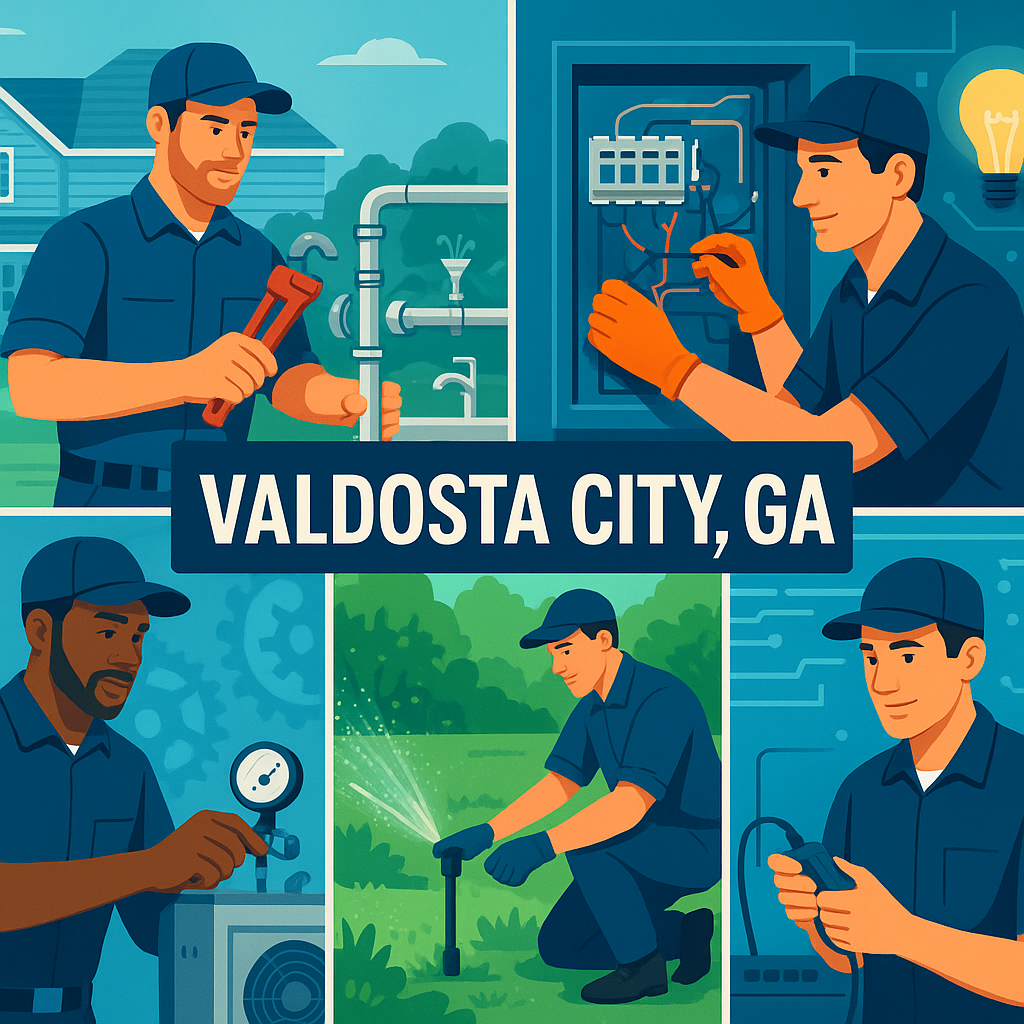
If you are a plumber, electrician, HVAC mechanic, sprinkler fitter, or low-voltage installer in Valdosta, Georgia, you’ve probably heard the term “contractor bond” tossed around. Maybe you’re about to pull your first permit, or perhaps you’re renewing your business license and the city just asked for proof of bonding. Either way, understanding the rules can feel like learning a new language. But don’t worry—we are going to break it all down in plain, everyday English.
By the time you finish reading, you’ll know exactly what a City of Valdosta contractor bond is, who needs one, how it works, and how to get it without pulling your hair out. Let’s dive in.
What Exactly Is a Contractor License Bond?
Think of a contractor license bond as a three-way promise. It sits between you (the contractor), the City of Valdosta (the obligee), and your customers (the public). The bond says, “This contractor will play by the rules. If they don’t, there’s money set aside to fix things.”
It is not the same as insurance. A bond protects the city and your clients if you break the law, do shoddy work, or fail to finish a job according to local codes. Insurance, on the other hand, protects you and your business from accidents or property damage. We’ll get into that difference a little later because people mix them up all the time.
The specific bond the City of Valdosta asks for is often called a third-party liability bond. That phrase simply means the bond covers claims made by someone other than you—usually a homeowner, a business owner, or the city itself. If you’re searching online, you might see it listed as “Valdosta GA Electrical Contractor – 3rd Party Liability Bond” or something similar for plumbing, mechanical, and other trades.
Why the City of Valdosta Requires These Bonds
You might wonder, “Why does the city care if I have a piece of paper from a surety company?” The answer is actually pretty simple. Valdosta wants to protect its residents and property owners. When someone hires a contractor, they are making a leap of trust. A bond acts like a safety net under that leap.
Imagine a homeowner hires a plumber to re-pipe an older home. If the plumber leaves a mess of leaky connections that cause thousands of dollars in water damage, the homeowner shouldn’t have to chase a fly-by-night business into thin air. The bond gives them a way to recover their losses. It also encourages contractors to follow building codes, pay permit fees, and do things right the first time. The city doesn’t have to use your tax dollars to clean up the mess—the bond takes care of it.
In short, the bond requirement is a public safety tool. It helps keep Valdosta’s neighborhoods safe and its construction standards high.
Who Needs a Bond in Valdosta, Georgia?
Not every business owner in town needs a contractor bond, but a surprising number of trades do. The City of Valdosta commonly asks for a surety bond before issuing a license or permit in several categories. Let’s look at each group one by one.
Plumbers
If you’re pulling a Valdosta plumbing permit for new construction, major repairs, or remodels, the city will want proof of your plumber bond. This includes both residential and commercial work. Whether you’re installing a water heater or running drain lines for a new subdivision, the bond helps guarantee your work meets Georgia state codes. Homeowners looking to hire a plumber often ask, “Are you bonded?” —knowing it gives them an extra layer of confidence.
Electricians and Electrical Contractors
The Valdosta electrical contractor bond is probably the one that sparks the most questions. You’ll see it called everything from “electrical contractor bond” to “Valdosta GA electrical contractor – third party liability” when you search online. Whatever the label, the need is the same. Before you can wire a new home, upgrade a service panel, or install outdoor lighting, you’ll need an active bond on file with the city. The bond assures that your electrical work is safe and up to code. Faulty wiring can lead to fires, and the bond helps protect families from that nightmare.
Mechanical (HVAC) Contractors
Heating, ventilation, and air conditioning contractors fall under the mechanical trade umbrella. If you install, repair, or replace HVAC systems in Valdosta, a mechanical contractor bond is often part of your licensing checklist. The bond addresses compliance with mechanical codes and proper installation standards. Given South Georgia’s sweltering summers, a properly functioning AC is more than a luxury—it’s a health necessity. The bond reinforces that you’ll do the job right.
Automatic Sprinkler Contractors
Fire sprinkler systems save lives, so it’s no surprise that automatic sprinkler contractors face strict bonding rules. Whether you’re fitting a wet system in a new commercial building or maintaining an existing setup, the City of Valdosta wants to make sure your work is flawless. The auto sprinkler bond ensures you follow fire safety codes and complete the job as promised. One mistake could mean a system fails during a fire, and that’s a risk the city won’t take.
Low Voltage Contractors
Low voltage work includes things like security alarms, data cabling, sound systems, and telecommunications wiring. Even though these systems don’t carry the same shock risk as high-voltage electrical lines, they still require a bond in many cases. A low voltage bond Valdosta protects clients from installation errors, code violations, or incomplete work. If you’re installing a burglar alarm that doesn’t trigger when it should, the bond can provide relief for the affected customer.
How a Third-Party Liability Bond Protects You
At this point, you might be thinking, “This all sounds great for the customer, but what’s in it for me?” Fair question. The bond protects you, too—just not in the way insurance does. It builds credibility. When you hand a potential client your bond information, you’re showing them you’re a professional who follows the rules. That can be the deciding factor between you and an unlicensed, uninsured competitor.
The bond also helps you avoid legal headaches. If a dispute arises and the customer files a claim, the surety company will investigate. If the claim is valid, the surety pays out up to the bond amount. Yes, you eventually have to repay the surety—but having that buffer often leads to faster, less emotional resolutions than a drawn-out court battle. Many conflicts get sorted out long before they reach the courtroom steps.
Bond Amounts and Costs: What to Expect
Here’s where a lot of contractors get nervous. They hear the word “bond” and picture a massive expense. The good news? The cost is usually much lower than you think.
The City of Valdosta sets a required bond amount for each trade. These amounts can vary, so always confirm with the Community Development or Building Department. In many cities, you’ll see bond amounts like $5,000, $10,000, or $25,000. That figure is the total coverage the bond will pay out if things go wrong—it’s not what you pay out of pocket.
What you actually pay is a small percentage of that total, called the premium. For a contractor with good credit, the premium might be as low as 1% to 3% of the bond amount. So, if your trade requires a $10,000 bond, your annual cost could be anywhere from $100 to $300. That’s a manageable price for peace of mind and a valid city license.
Your credit score does play a role. If your credit has a few bumps, you’ll likely still get approved but might pay a slightly higher rate. There are bond companies that specialize in helping folks with less-than-perfect credit, so don’t let that fear stop you from applying.
Steps to Get Your Valdosta Contractor Bond
The process isn’t as complicated as it sounds. Here’s a simple roadmap you can follow:
- Find out your required bond amount. Call the City of Valdosta or check their website. Ask for your specific trade: plumber, electrician, mechanical, sprinkler, or low voltage. Write down the exact bond form they need.
- Contact a surety bond agency. Many independent agencies work with multiple carriers and can shop rates for you. You can do this online or by phone.
- Complete a short application. You’ll provide basic business information and possibly your social security number for a soft credit check.
- Get your quote and pay the premium. Once approved, you’ll see your rate. Pay the premium, and the agency issues your bond.
- File the bond with the city. The surety will either send you the original bond document to deliver to Valdosta, or file it electronically on your behalf. Keep a copy for your records.
Most bonds are issued the same day. That means you can apply in the morning and have your paperwork ready for the city by lunch. It’s a quick step that keeps your business moving forward.
Bond vs. Insurance: They’re Not the Same Thing
I teased this earlier, and it’s worth repeating because even experienced contractors can get confused. A bond is a guarantee to the city and your customer. General liability insurance protects your business if something bad happens on the job site.
Imagine you’re an electrician and your ladder accidentally scratches a client’s hardwood floor. That’s where your insurance kicks in. But if you install a circuit panel incorrectly and the city red-tags the job because it’s not up to code, the bond is what the homeowner might claim against. You need both. Valdosta usually will not accept one in place of the other.
What Happens If You Work Without a Bond?
Let’s keep this one short and clear. If the City of Valdosta requires a bond and you don’t have one, you won’t get your permit. Period. No bond means no pull. If you try to work without it, you risk fines, project shutdowns, and a whole lot of explaining to an unhappy client. In a worst-case scenario, your business license could be suspended or revoked.
It’s simply not worth the gamble. The bond is a affordable, straightforward requirement that keeps your business legitimate and trustworthy.
Frequently Asked Questions
Do I need a separate bond for each trade?
Typically, yes. If you hold a plumbing license and an electrical license, the city will usually require a bond for each classification. Some surety companies might offer a combination bond, but you’ll have to verify that the City of Valdosta accepts it. It’s usually simpler to get individual bonds that match exactly what the city asks for.
How long does a Valdosta contractor bond last?
Most bonds are issued for a one-year term and need to be renewed annually, around the same time you renew your business license or permits. You’ll get a renewal notice from your surety company, but marking your own calendar is a smart move. Letting a bond lapse is the quickest way to stall your next job.
What if someone files a false claim against my bond?
It does happen. The surety will investigate the claim thoroughly. If they find it has no merit, they’ll deny it. Having